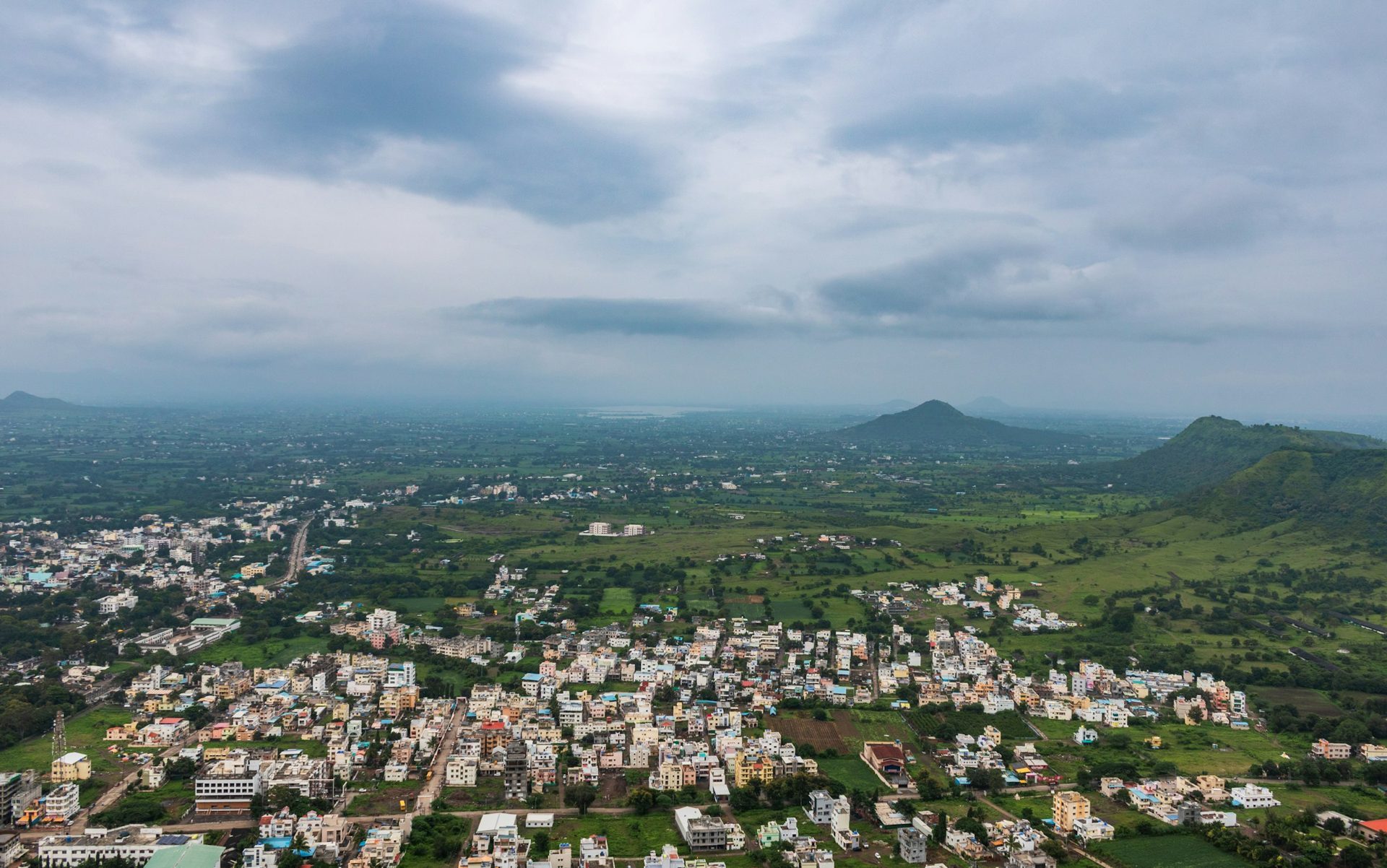
Climate risk doesn't only discount the places it threatens — it puts a premium on the places it spares. As buyers, insurers, and lenders wake up to the danger, demand tilts toward safer ground, and that ground is starting to command more for it.
The premium is already real
In Miami-Dade, neighborhoods that sit a few feet higher than the coastline — places once overlooked and affordable — have been quietly climbing in value since the late 1990s, and the effect is strongest exactly where the flood risk is most obvious. Researchers have a name for it: climate gentrification. As the danger of low-lying ground becomes undeniable, buyers pay up to be on higher, drier land.
The same logic is playing out at the metro scale. Cooler, water-rich northern cities — Duluth, Buffalo, Madison, Burlington — are actively marketing themselves as "climate havens," betting that a warming, drying, burning map sends people and dollars their way. The migration toward relative safety has already started.
The opportunity is that it isn't fully priced yet
Here's the part an investor should sit up for: the repricing isn't finished. First Street estimates that flood-exposed homes in the U.S. are still overvalued by somewhere between $120 and $240 billion — risk the market hasn't gotten around to charging for. The mirror image of an overpriced risky home is an underpriced safer one. The premium for higher ground is still arriving, which means there's still room to buy ahead of it.
That's the quiet upside of a repricing market. Value isn't only being destroyed on the risky side of the line; it's being created on the safe side.
But "haven" is a label, not a guarantee
One caution, because it matters. A "climate haven" is a marketing phrase, and marketing runs ahead of reality. Asheville, North Carolina spent years on climate-haven lists — until Hurricane Helene put much of it underwater in 2024. Most of the celebrated Great Lakes havens still carry real flood risk, and several face some of the sharpest projected temperature increases in the country.
The tell is specificity. A brand sells a feeling — cool, northern, up on the hill. Real resilience shows up as numbers you can check. When a "haven" offers the story but not the figures, you're buying the label — and probably overpaying for it.
How to find ground that's actually gaining
So don't buy the hype; buy the comparison. The markets that capture the higher-ground premium tend to share a few traits you can check:
- They're more resilient than their neighbors. "Safe" only means something relative to the alternatives in a region. Being the better-positioned option nearby is what pulls demand.
- Their insurance market is stable, not fleeing. Carriers writing policies at steady prices signal a risk that's real but manageable — the opposite of a market drifting onto the FAIR plan.
- Water and heat are on their side for the long haul. A place that stays livable and water-secure through 2070 has a durable draw.
- Demand is flowing in, not out. Migration shows up in rents and resale years before it shows up in the headlines.
- Its economy can pay for resilience. Safety only lasts if a community can afford to maintain it. A diversified economy and a healthy tax base fund the drainage, grid, and services that keep a place livable — and keep jobs and demand from hollowing out. A pretty town that can't pay for its own upkeep isn't higher ground for long.
High Ground Map is built to run exactly this search, at whatever scale you're working in. Draw a region and it heat-maps climate fit across the whole area, so the higher ground shows up at a glance. Run Optimize on a map view and it surfaces the best-scoring locations for you — for when the question is "where should I even look?" And a Neighborhood Scan ranks block by block inside a single city, because — as Miami shows — higher ground can come down to a few streets. The one trait that isn't in the map — whether the local economy can afford to stay safe — is public-records homework.
Read them the way you'd read the risk factors, because they're the same numbers, pointed the other direction.
The other half of the map
Risk is only half the story. For every neighborhood the climate is quietly pricing down, there's higher ground it's pricing up. The lens that tells you which places to avoid is the same one that tells you where the value is heading — and increasingly, it's heading uphill.